
Preserving Roane County Tennessee Heritage Through Digital Documentation Methods
Modern genealogists working with Roane County Tennessee materials face the challenge of managing documents spanning over two centuries. Digital preservation has transformed this work, allowing storage of courthouse records, cemetery documentation, and family collections on portable devices and cloud servers. The Roane County Tennessee Family History Project demonstrates this evolution as volunteers digitize materials for worldwide access.
Effective preservation balances technology with traditional methods. While scanned deeds provide searchable text and permanent backup, examining originals often reveals details digital copies miss. Ink colors, paper quality, and physical condition all provide context. The most successful strategies incorporate both approaches, creating digital access while respecting original materials.
Digital Preservation Techniques for Historical Family Documents
Physical documents face constant threats from handling, environmental conditions, and the passage of time. Creating digital copies provides insurance against loss while making materials available for research and sharing. The digitization process requires careful planning to protect fragile items while producing quality results that serve both preservation and access goals. Understanding proper techniques ensures that valuable family records remain available for future generations.
Scanning and Digitizing Physical Records Safely
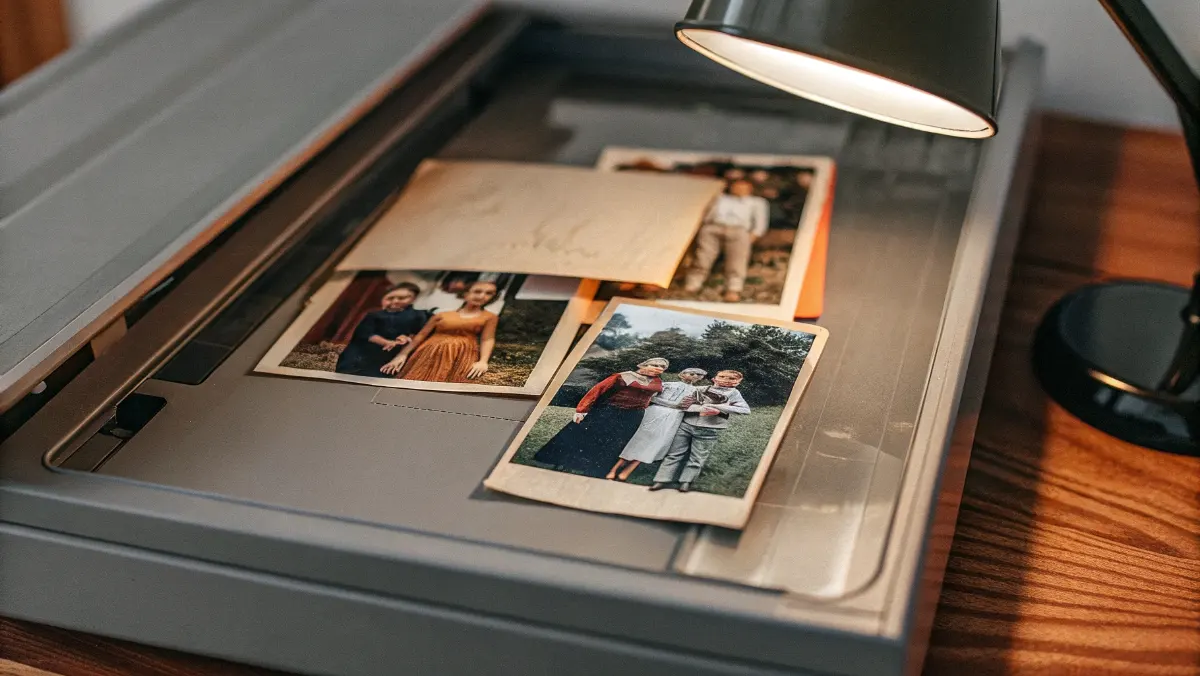
Creating digital copies extends the life of original materials by reducing handling while making content available for research. Scanner selection matters significantly. Flatbed scanners work well for most paper documents at 300 to 600 DPI. Overhead scanners protect bound volumes by eliminating the need to press items against glass. Many researchers working with Tennessee history book collections invest in equipment handling various document types.
Proper handling protects documents during digitization. Clean hands or cotton gloves prevent oil transfer. Supporting documents fully prevents tears. For valuable or fragile items, professional archival services provide expertise that home setups cannot match. File format selection affects long term accessibility. PDF files provide universal compatibility. TIFF files preserve maximum detail for archival masters despite larger sizes. A common strategy creates TIFF masters and smaller PDF copies for daily use.
Metadata Standards for Genealogical Document Organization
Digital files without proper metadata become as lost as unsorted papers. Each file needs information about content, creator, date, location, and relationships. File naming conventions like "1850_Census_RoaneCounty_Smith_John" communicate content immediately, while "IMG_3847" provides nothing useful. Consistency allows sorting that reveals patterns.
Embedded metadata extends beyond filenames. PDF documents can contain keywords and descriptions. Database programs designed for genealogy connect documents to people, places, and events. Controlled vocabularies improve searchability. Consistent terminology ensures searches retrieve all relevant materials. Geographic authorities prevent confusion between different places with identical names.
Cloud Storage Solutions for Family History Archives
Local storage creates vulnerability to hardware failure, theft, and disasters. Cloud platforms offer redundant backup across multiple locations. Services like Google Drive, Dropbox, and Microsoft OneDrive provide free storage with affordable expansion. All support file sharing and version history. Mobile apps enable document access during courthouse research trips.
Specialized genealogy platforms like Ancestry and FamilySearch integrate storage with research tools, linking documents directly to family tree profiles. However, platform dependency may complicate future migration. Security deserves attention when storing family documents. Encryption, two-factor authentication, and selective sharing protect sensitive information. Some materials involving living individuals warrant local-only storage despite backup advantages.
Collaborative Research Networks in Tennessee Genealogy
Family history research multiplies in effectiveness when researchers work together rather than in isolation. No single researcher can access all relevant records, visit every repository, or possess expertise in every specialty area. Building connections with other genealogists researching related families creates opportunities for sharing discoveries, dividing research tasks, and solving problems that stump individual researchers. The collaborative approach transforms genealogy from solitary hobby into community endeavor that benefits all participants.

Building Research Teams Across Multiple Family Lines
Genealogical research becomes exponentially more effective when researchers share findings. Families intersect through marriages and migrations, creating overlapping interests. Collaborative networks transform isolated work into coordinated efforts solving complex puzzles.
The following table illustrates collaboration models:
| Collaboration Type | Primary Platform | Key Benefits | Participant Roles |
|---|---|---|---|
| Surname study groups | Dedicated websites with forums | Focused research on specific lines, shared documents | Coordinators manage resources, members contribute research |
| County historical societies | Meeting facilities and online platforms | Local knowledge, courthouse access, community connections | Officers organize events, members conduct research |
| DNA match coordination | Testing company platforms and email | Identifies unknown relationships, breaks brick walls | Administrators coordinate testing, participants share trees |
| Online research circles | Social media groups and video calls | Real-time problem solving, diverse expertise | Moderators manage discussions, members share knowledge |
Successful collaboration requires clear communication and shared expectations. Groups need defined purposes and decision-making processes. Document sharing protocols protect privacy while maximizing access. Regular communication maintains engagement.
DNA Testing Integration with Traditional Paper Records
Genetic genealogy has revolutionized family history by adding biological evidence. DNA testing confirms relationships, identifies connections documents never captured, and extends trees beyond traditional research. Autosomal DNA testing provides information about relationships within five to seven generations. Match lists reveal previously unknown cousins who may possess family information unavailable elsewhere.
Y-DNA and mitochondrial DNA testing trace specific lines through direct paternal and maternal lineages. These tests reach further back, sometimes identifying connections ten or more generations ago. Triangulation combines DNA matches with documented genealogy to prove relationships. When three individuals all match each other and descend from the same couple through different children, their shared DNA likely derives from those ancestors.
Sharing Findings Through Online Genealogy Communities
Publishing research benefits both individual researchers and the broader community. Public family trees on Ancestry and FamilySearch reach millions. Adding sources and photographs transforms basic listings into rich narratives. However, public trees require accuracy. Careful researchers cite sources and correct errors promptly.
Genealogy blogs offer flexibility for narrative presentation. Writers explain methodology and discuss conflicting evidence. Blogs build readership over time, attracting distant cousins. Many focus on specific areas like Roane County Tennessee. Social media facilitates informal sharing. Facebook groups enable quick questions and collaboration. While lacking permanence, social media excels at building relationships.
Interpreting Complex Historical Records from Roane County
Historical documents contain wealth of genealogical information, but extracting that information requires skills in reading old handwriting, understanding legal terminology, and placing records in proper historical context. Roane County records dating from 1801 forward present particular challenges with handwriting styles, specialized vocabulary, and document types unfamiliar to modern researchers. Developing interpretation skills opens access to information that casual researchers overlook, revealing family relationships and life details not available in more accessible modern sources.
Understanding Land Grant and Deed Terminology
Land records form the documentary backbone of Tennessee genealogy. Roane County land records begin with original North Carolina grants and continue through centuries of transactions. Metes and bounds descriptions define property using landmarks and measurements. A typical description might begin "at a white oak on Poplar Creek, thence north 45 degrees east 210 poles to a hickory."
Dower rights protected widows' interests in property. Tennessee law entitled widows to lifetime use of one third of deceased husbands' real estate. Deeds often include language releasing dower rights when wives consented to sales. Warranty deeds promise clear title, typical of transactions between unrelated parties. Quitclaim deeds transfer whatever interest the grantor possesses, common in family transfers.
Decoding Handwritten Documents from the 1800s
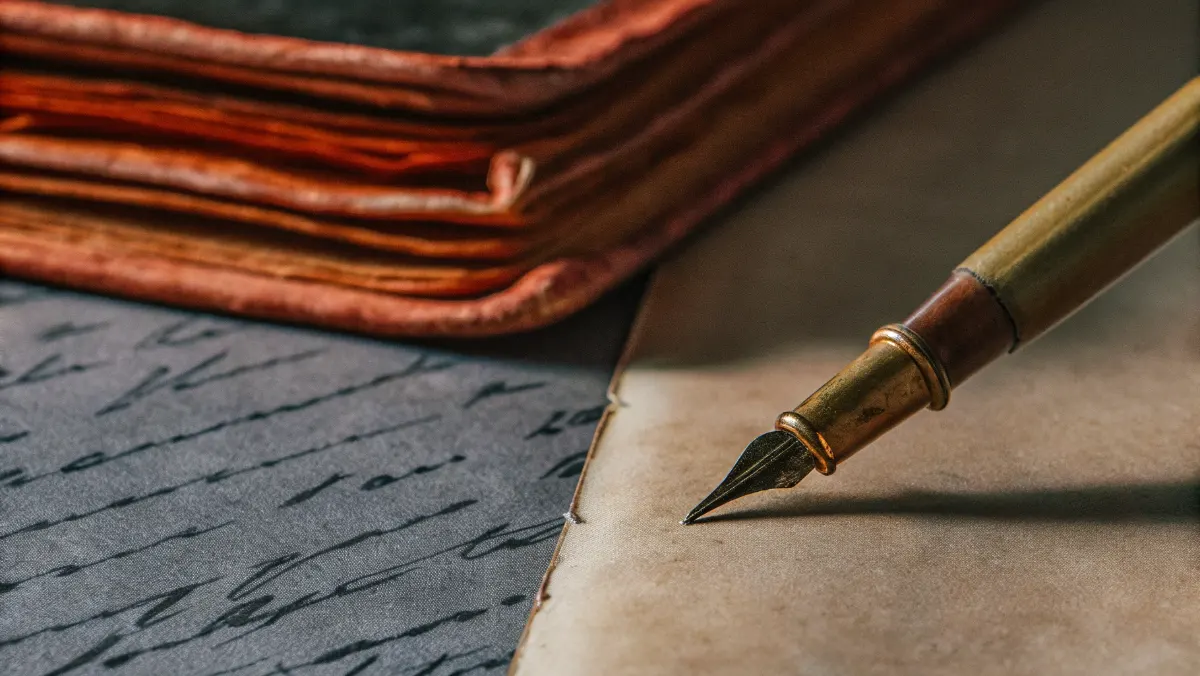
Historical documents challenge readers with unfamiliar handwriting, archaic vocabulary, and deterioration. Developing paleography skills transforms illegible text into readable information.
The following techniques improve interpretation:
- Learn period handwriting conventions through exemplars. Historical societies provide guides showing letter formation in various periods. The double s looking like "fs" appears frequently in eighteenth century documents. Studying examples trains eyes to recognize patterns.
- Read entire documents rather than focusing on single words. Context provides clues. Understanding document purpose reveals what information should appear where. A deed must name grantors, grantees, and property descriptions.
- Compare multiple documents by the same scribe. Courthouse records feature consistent handwriting from clerks. Examining several examples reveals individual quirks. Letters ambiguous in isolation become clear when seen repeatedly.
- Use magnification and lighting adjustments. Digital photography enables manipulation making faint writing visible. Increasing contrast and examining documents in raking light reveals subtle traces.
- Collaborate with experienced researchers. Regional variation affects interpretation. Experienced local researchers develop expertise in area conventions. Online Tennessee genealogy forums include members willing to help.
- Recognize common abbreviations and legal formulae. Legal documents employ standardized language. "Doth grant bargain sell alien release and confirm" appears in countless deeds. Learning these reduces text requiring careful decipherment.
Entertainment Economy Impact on Roane County Family Settlement Patterns
Economic forces have always influenced where families choose to live and work. During the late twentieth and early twenty-first centuries, the development of gaming and entertainment industries in states surrounding Tennessee created employment opportunities that drew workers across state lines. These migration patterns appear in census records, family correspondence, and local histories as Roane County residents and their descendants sought positions in the expanding casino economy. Understanding these connections helps researchers explain family movements and locate relatives who left the region for employment opportunities.
How Regional Gaming Venues Influenced Economic Migration
Economic opportunities drive migration throughout history. The growth of entertainment and gaming industries in states bordering Tennessee created job markets influencing population movement visible in family records. Mississippi riverboat casinos emerged in the early 1990s. Arkansas authorized limited gaming. North Carolina allowed tribal operations. These developments created thousands of hospitality, management, and service jobs.
Census records document migration patterns through occupation listings and residence changes. Families in Roane County in one census sometimes appear in border states by the next enumeration. When occupations show casino work, the employment-migration connection becomes explicit. The entertainment economy extends beyond direct casino employment. Construction workers built facilities. Transportation companies provided shuttles. Entertainment acts performed. These connected industries multiplied employment impact.
Employment Opportunities at Border State Casinos and Census Data
Modern family historians encounter employment patterns quite different from earlier generations. Service and entertainment industries replaced manufacturing and agriculture. For East Tennessee families, proximity to gaming venues created specific opportunities appearing in genealogical sources.
The following documentation methods reveal casino economy connections:
- Census occupation fields from 1990 forward list specific job titles. Modern records often specify "casino dealer" or "hotel manager" with industry codes. Researchers can identify casino employment directly and trace career patterns.
- Social Security applications and death records include employer information. The Death Index sometimes names employers. Applications require employment history possibly referencing casino properties.
- Obituaries frequently mention career histories. Local Roane County Tennessee newspapers often note residents worked at establishments in neighboring states, specifying properties and employment length.
- Family correspondence and photographs document workplace connections. Personal letters discuss job experiences. Photographs showing uniforms or name badges confirm employment other sources only suggest.
- Property and tax records show residence patterns near employment centers. Families working in gaming industries sometimes relocated closer to employment. Others maintained Tennessee residences while commuting. Property records help determine whether families moved or commuted.
Understanding employment patterns explains family decisions. Why did a family leave Roane County in middle age? Casino employment opportunities provide possible answers. Why do stories mention connections to particular places? Employment relationships create lasting ties.
Documenting Modern Entertainment Industry Family Connections
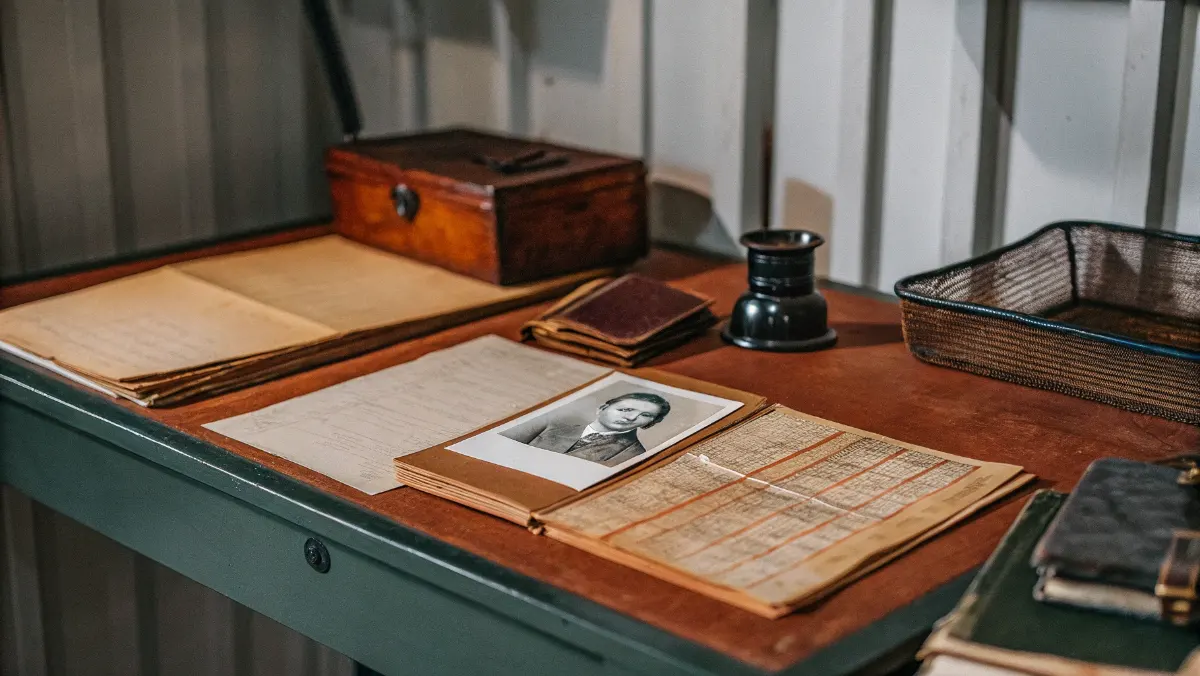
Contemporary family history extends beyond traditional vital records. Employment records, digital communications, and photographs create rich archives. Pay stubs, benefit statements, and employee badges provide proof of employment. Training certificates and performance reviews add career progression details. Company newsletters place individuals within organizational contexts.
Digital photographs require active preservation. Images on smartphones remain vulnerable to device failure and platform shutdowns. Downloading to multiple locations with descriptive metadata protects against obsolescence. Personal narratives through interviews preserve information never appearing in formal records. Recording family members discussing careers captures daily work life details and career decision-making context.
Creating Comprehensive Family History Narratives
Raw genealogical data only becomes meaningful when organized into narratives that tell coherent stories about ancestors' lives. Numbers and dates document existence but narrative provides context, explains relationships, and brings historical figures to life for modern descendants. The challenge facing family history project participants lies in synthesizing diverse source types into readable prose that maintains accuracy while engaging readers who may have limited genealogical background. Effective narratives balance scholarly documentation standards with storytelling techniques that honor ancestors while preserving their stories for future generations.

Combining Multiple Source Types into Cohesive Stories
Raw data becomes meaningful when organized into narratives explaining relationships and providing context. Effective histories combine vital records, property documents, census data, photographs, and letters into coherent accounts.
The following table shows source combinations supporting narrative construction:
| Source Combination Method | Example Documents | Timeline Construction | Narrative Output |
|---|---|---|---|
| Chronological assembly | Birth certificate, marriage license, death record, census entries | Year-by-year timeline of life events | "John Smith was born in 1845, married Sarah Jones in 1867, and raised six children before his 1903 death" |
| Thematic organization | Land deeds, tax records, probate inventory, agricultural census | Group related activities across timespan | "The family accumulated 240 acres through five purchases between 1850-1885" |
| Geographic tracking | Census from multiple locations, migration dates, residence documentation | Map family movements over time | "After leaving Virginia in 1801, the family spent two decades in Roane County" |
| Relationship networks | Marriage records, DNA matches, deed witnesses, estate documents | Diagram family and community connections | "The Jones and Smith families intermarried across three generations" |
Effective narratives balance detail with readability. Endnotes provide documentation without interrupting flow. Direct quotations add authentic voices. Photographs give visual connections. Context transforms facts into understanding. Explaining Civil War residence in Roane County gains meaning when describing East Tennessee's divided loyalties.
Publishing Your Family History Project Findings
Completed research deserves publication making findings accessible. Self-published books offer complete creative control. Print-on-demand services enable production without minimum orders. Physical books provide tangible heirlooms. However, print requires significant writing and design work.
Digital publications reach global audiences at minimal cost. PDF documents preserve formatting. Web publications provide searchable content. Digital formats enable easy updates. Video documentaries combine photographs, documents, and narration. Modern editing software makes production accessible. Videos shared via YouTube reach relatives who might never read written histories.
Repository deposits ensure long-term preservation. Libraries and archives accept materials meeting collection criteria. Depositing at the Tennessee State Library and Roane County archives makes findings available to future researchers. Published genealogies appear in catalogs helping distant cousins discover research.
FAQ
How many casinos are in TN?
Tennessee has no commercial or tribal casinos within its borders. State law prohibits casino gaming as contrary to public policy. However, residents can access casinos in Mississippi, Arkansas, North Carolina, and Georgia. The closest major properties to Roane County Tennessee sit approximately 150 miles away in Cherokee and Tunica.
Why does Tennessee have no casinos?
Tennessee's constitution defines gambling as contrary to state public policy, reflecting historical temperance movement influence particularly strong in places like Harriman. Legislative efforts haven't gained sufficient support. The state has authorized limited forms including lottery and online sports betting, but casino gaming remains prohibited.
Is Tennessee going to legalize gambling?
Current law permits online sports betting, lottery, horse racing wagering, and limited charitable gaming. No active legislation proposes casino expansion. Governor Bill Lee has appreciated lawmakers' resistance to casino development. Any casino legalization would likely require constitutional amendment given existing policy language.
Is online gambling illegal in Tennessee?
Online sports betting became legal in 2019. Licensed operators may accept wagers from residents physically within state borders and at least 21 years old. However, online casino gaming including slots and table games remains illegal. Social casinos operate legally because they don't require purchase of playing currency.
What software is best for organizing family history research?
Desktop programs like Legacy Family Tree and RootsMagic offer robust features with local storage. Online platforms including Ancestry and FamilySearch provide integrated database access and collaboration. Many researchers use both desktop software for data management and online platforms for research. The best choice depends on preferences regarding features, cost, and privacy.
How do I verify conflicting information in historical records?
Verification requires evaluating source quality and gathering additional evidence. Primary sources created near event time generally outweigh secondary sources. Birth certificates typically prove dates more reliably than death certificates. Multiple consistent sources strengthen conclusions. DNA evidence can confirm or refute relationships when paper records conflict. Sometimes conflicts remain unresolved. Responsible genealogists present all evidence while acknowledging uncertainty.
Conclusion
Digital preservation enables genealogists to protect and share historical documents more effectively than before. Scanning, metadata, and cloud storage create backups while making materials accessible worldwide. Collaborative networks multiply effectiveness by connecting researchers studying related families. DNA testing integrated with traditional records solves problems paper sources cannot resolve alone.
Interpreting complex documents requires developing paleography skills and understanding legal terminology. Land deeds and handwritten manuscripts yield rich information when researchers invest effort learning to read them accurately. Modern economic patterns including entertainment industry employment create documentation challenges different from earlier eras. Casino economy connections appear in census data, obituaries, and photographs requiring active preservation.
Creating comprehensive narratives from diverse sources transforms data into engaging stories honoring ancestors while preserving history. Whether published as books, websites, or videos, completed histories serve personal and scholarly purposes. By combining traditional methods with modern tools, researchers working with Roane County Tennessee materials contribute to preserving regional heritage while advancing family history goals.