
Historic Entertainment Routes of Roane County Tennessee
Entertainment venues and traveling shows shaped social life throughout Roane County Tennessee during the nineteenth and early twentieth centuries. These gathering places influenced migration patterns, community development, and family stories recorded in genealogical records. Understanding how entertainment halls, theaters, and social venues functioned provides context for family histories and reveals connections between communities across East Tennessee that traditional records sometimes obscure.
Early Entertainment Halls and Social Venues
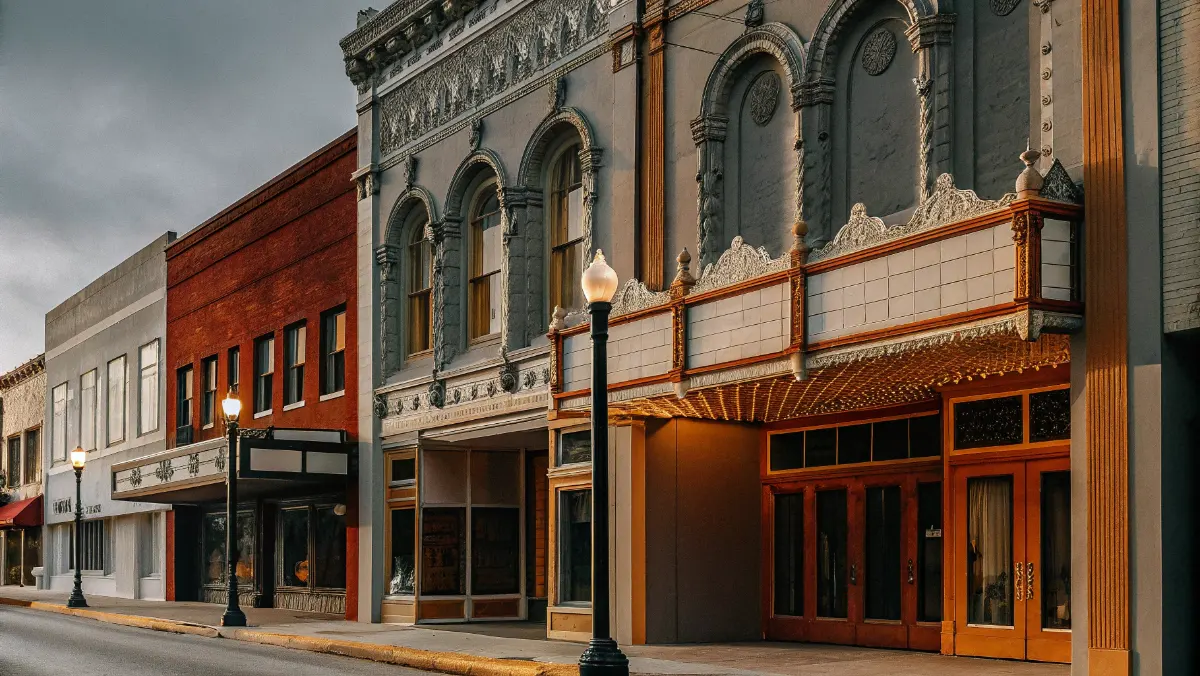
Harriman's founding as a temperance town in 1890 created unique entertainment patterns. While saloons were prohibited, the community developed legitimate theaters, opera houses, and social halls. The Princess Theatre, built in the early 1900s, became a cultural center hosting traveling performances, community gatherings, and social events that brought families together across economic boundaries.
- Opera houses in Kingston and Rockwood hosted touring theatrical companies traveling regional circuits through East Tennessee
- Church social halls provided entertainment spaces where families gathered for concerts, lectures, and community celebrations
- Railroad connections brought traveling performers creating regular entertainment schedules that families anticipated annually
- Social clubs organized events in rented halls bringing together families who shared common interests and heritage
Gaming Traditions and Social Activities
While commercial gambling remained illegal in Tennessee, private gaming traditions existed within social contexts. The following table shows documented recreational activities:
| Activity Type | Common Venues | Social Context |
|---|---|---|
| Card playing | Private homes and social clubs | Family gatherings and social evenings |
| Checkers and chess | General stores and barbershops | Daily social interaction among men |
| Community raffles | Church fundraising events | Charitable purposes and building funds |
| Shooting contests | Outdoor community gatherings | Seasonal celebrations and competitions |
"Entertainment routes connected rural communities to broader cultural movements, bringing news, fashion, and ideas alongside theatrical performances and musical acts."
Migration Patterns and Family Stories
Entertainment industry employment created migration patterns visible in genealogical records. Performers, theater managers, and support workers moved along established circuits. Family stories sometimes mention ancestors who worked in entertainment venues, traveled with shows, or operated boarding houses serving performers. These connections appear in census records showing unusual occupations and in family correspondence describing theatrical events and touring companies that passed through Roane County communities.