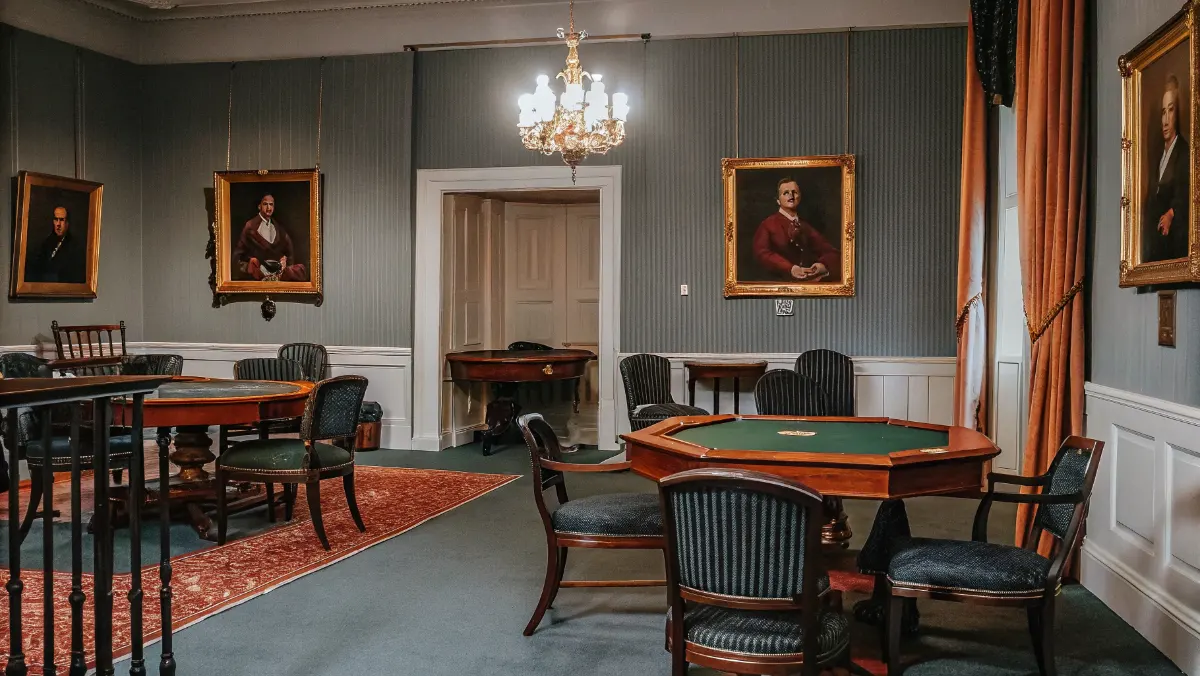
Tennessee History Book References to Card Rooms and Social Clubs
Historical publications about Tennessee communities frequently mention social clubs, fraternal organizations, and gathering places where residents met for recreation and fellowship. These references in Tennessee history book archives reveal social structures, community relationships, and recreational customs that shaped daily life. Examining these mentions provides insights into how families interacted, formed networks, and maintained social connections across generations in communities throughout the state.
Social Clubs in Tennessee History Books
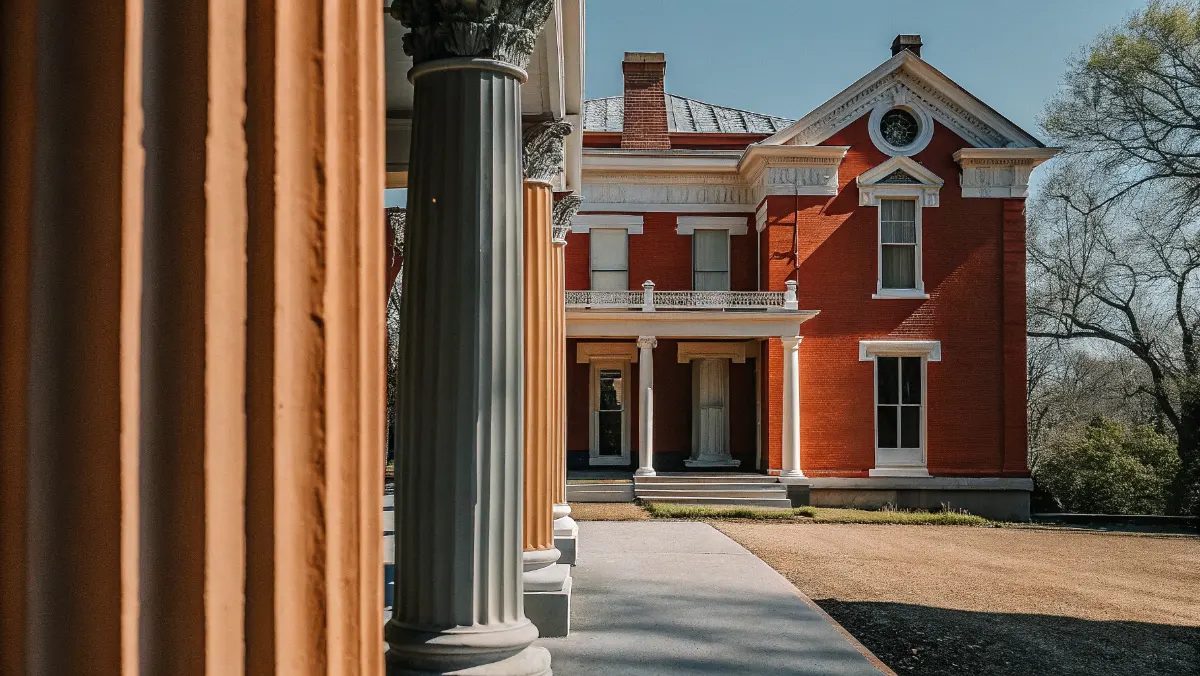
Tennessee history books from the late nineteenth and early twentieth centuries document numerous social organizations. Fraternal lodges including Masons, Odd Fellows, and Knights of Pythias appear frequently in county histories. These organizations maintained dedicated meeting spaces, often elaborate buildings that served as community landmarks and social centers for members and their families.
- County history books list social club officers and members providing genealogical connections between families
- Descriptions of club buildings and meeting spaces document community architecture and social geography
- Membership rosters in historical publications reveal economic and social networks among prominent families
- References to club activities show how communities organized social events, charitable work, and recreational gatherings
Card Rooms and Recreational Spaces
Historical accounts mention card playing as common recreational activity in private homes and club settings. The following table shows references found in Tennessee history books:
| Publication | Location Mentioned | Context Description |
|---|---|---|
| Goodspeed's History (1887) | Private residences | Social evening entertainment among families |
| County histories (1900s) | Hotel parlors | Travelers' recreation in commercial establishments |
| Local memoirs | Club meeting rooms | Members' recreational activities after meetings |
| Biographical sketches | General store back rooms | Informal male social gathering spaces |
"Social clubs and fraternal organizations provided structure for community life, creating networks that extended beyond immediate family to include business partners, neighbors, and fellow church members."
Research Applications for Genealogists
References to social clubs in Tennessee history books help genealogists identify family relationships and community connections. Membership lists reveal which families associated closely. Building dedications and organizational histories mention donors and supporters. These details supplement vital records and census data by showing how ancestors participated in community life beyond documented vital events and property transactions.